
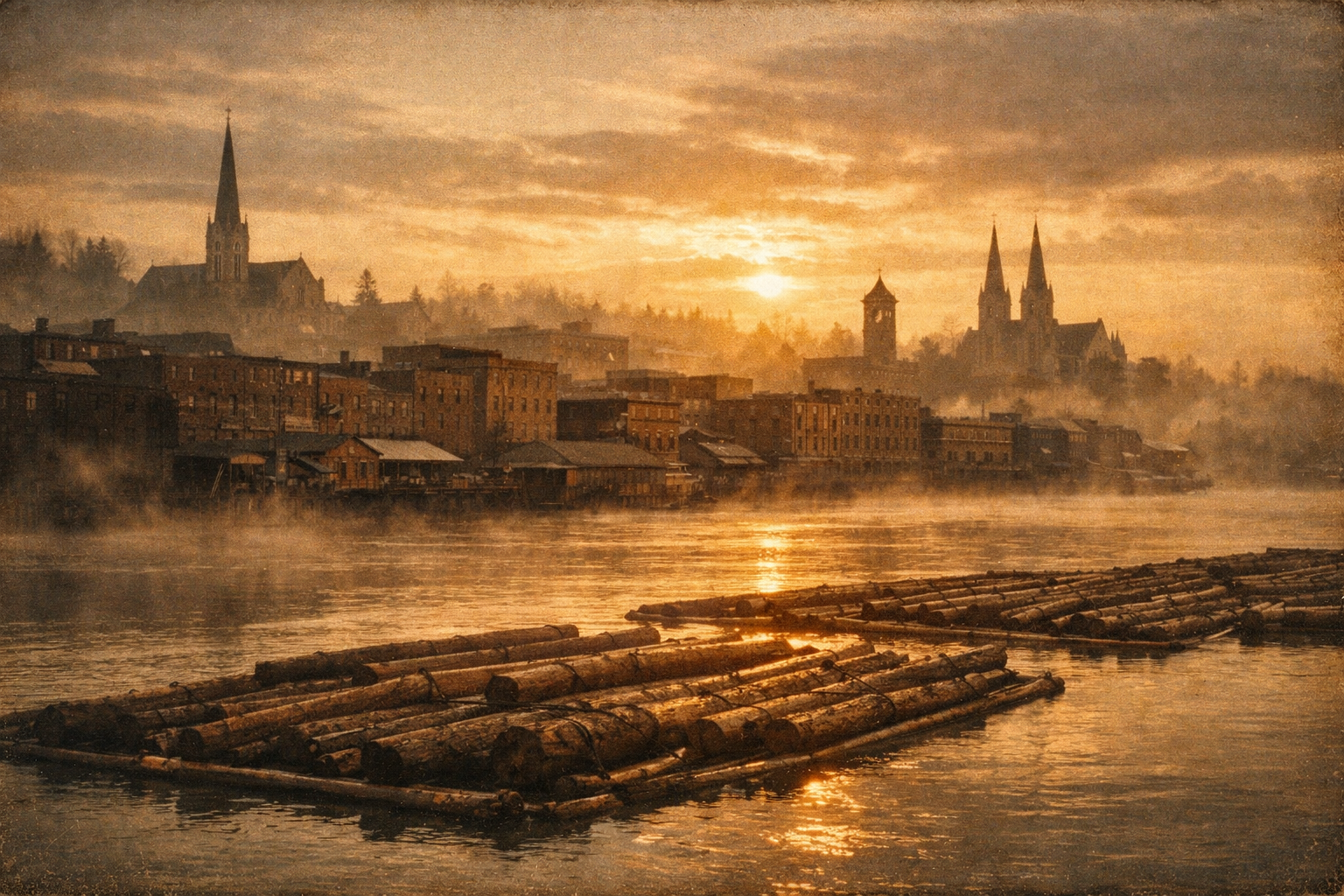
New Westminster sits on the north bank of the Fraser River, 20 km east of Vancouver, and its history runs deeper than almost any other city in western Canada. Known as the Royal City, it was BC’s first capital and the province’s first incorporated city, and you can feel that history in its streets today.
Indigenous Foundations: Qayqayt, Kwantlen, and Coast Salish Peoples
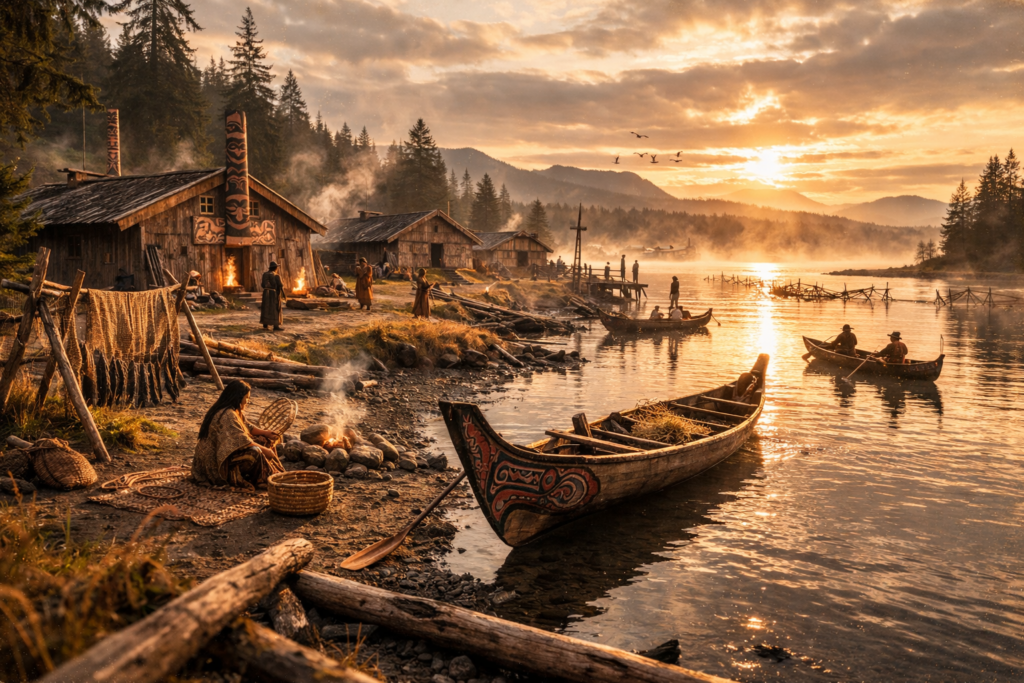
Long before European settlers arrived, the Fraser River was home to Coast Salish peoples, particularly the Qayqayt (pronounced Ka-kite) and Kwantlen First Nations. The main historical Qayqayt community was located near what is now modern New Westminster, and the name Qayqayt itself, in the Halkomelem language, translates to “resting place.” The area was a traditional fishing village and hunting base used by multiple Coast Salish groups.
In 1859, the New Westminster City Council sought to remove the First Peoples from the city core, creating three reserves in the surrounding area. A smallpox epidemic, combined with the closure of reserves by the McKenna-McBride Commission, nearly erased the Qayqayt Nation entirely. The contemporary existence of the Qayqayt First Nation is a direct result of one woman’s journey of self-discovery: Hereditary Chief Rhonda Larrabee, whose story is chronicled in the National Film Board documentary A Tribe of One. Today, École Qayqayt Elementary in New Westminster carries the Nation’s name forward in the community.
From Colonial Capital to Royal City
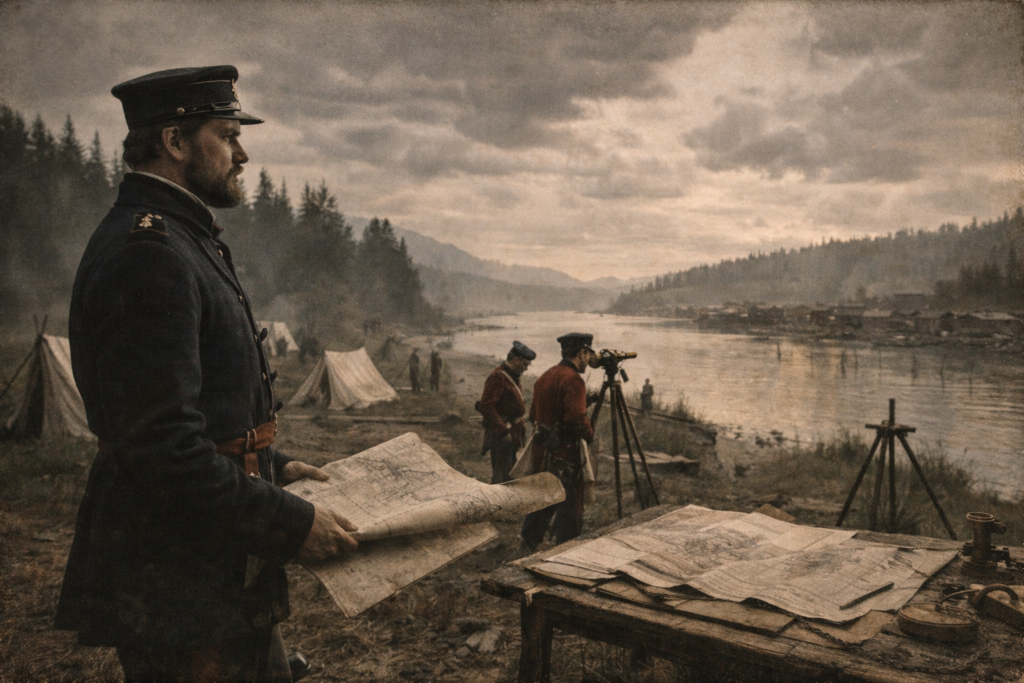
New Westminster was founded in 1858 by Richard Clement Moody as the capital of the Colony of British Columbia, serving as such until the mainland and Vancouver Island colonies merged in 1866. The Royal Engineers surveyed the city, and Queen Victoria named it, giving New Westminster its nickname: the Royal City.
Built on the traditional territory of the Qayqayt and Kwantlen First Nations, it became a commercial centre and transportation hub for prospectors and merchants during the Fraser River and Cariboo gold rushes. It was the mainland’s largest city from its founding until the early 20th century, when Vancouver overtook it in population.
Heritage, Museums, and Landmarks
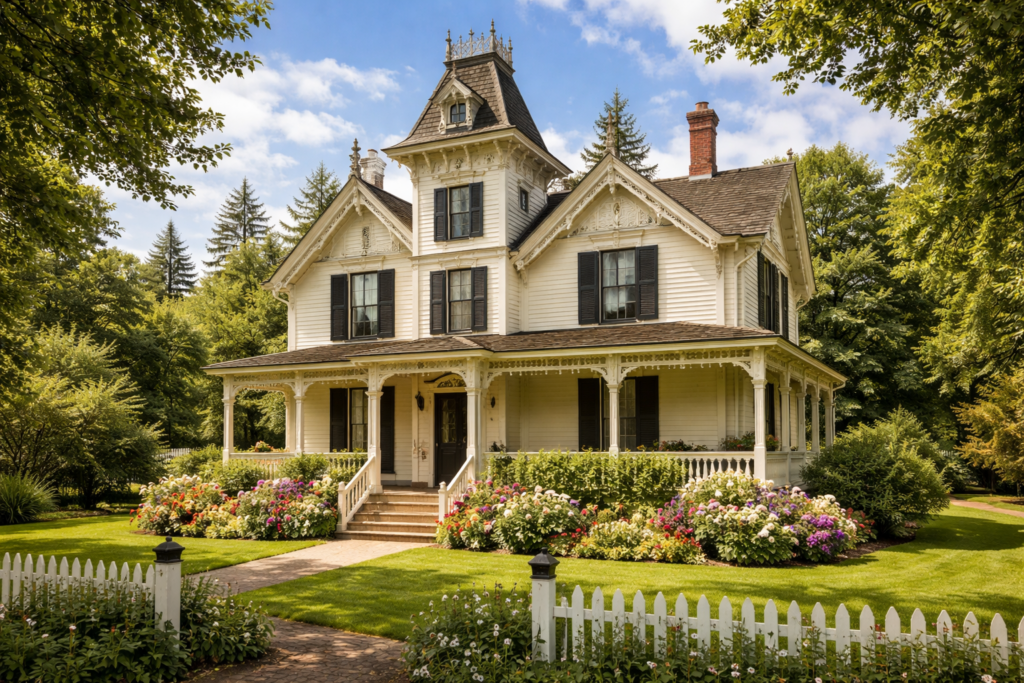
As BC’s oldest incorporated city, founded in 1859, the land of New Westminster and the buildings on it tell a long story, with historic buildings, sites, and landscapes reflecting the forces that shaped the community.
The main feature of the New Westminster Museum and Archives is the 1865 Irving House, said to be the oldest intact house in the BC Lower Mainland. The archives hold treasures such as 1859 maps of the city drawn by the Royal Engineers, while other heritage artifacts include the 1937 Samson V paddlewheeler, 1890s armouries, and dozens of heritage homes from the 19th century.
The Canadian Pacific Railway Station, built in 1899 after the Great Fire of 1898, serves as a symbol of New Westminster’s historical role as a driver of BC’s growth and its place as a gateway to the west. You’ll also find the Fraser River Discovery Centre on the waterfront, where you can learn about the river that shaped everything here.
Modern New Westminster
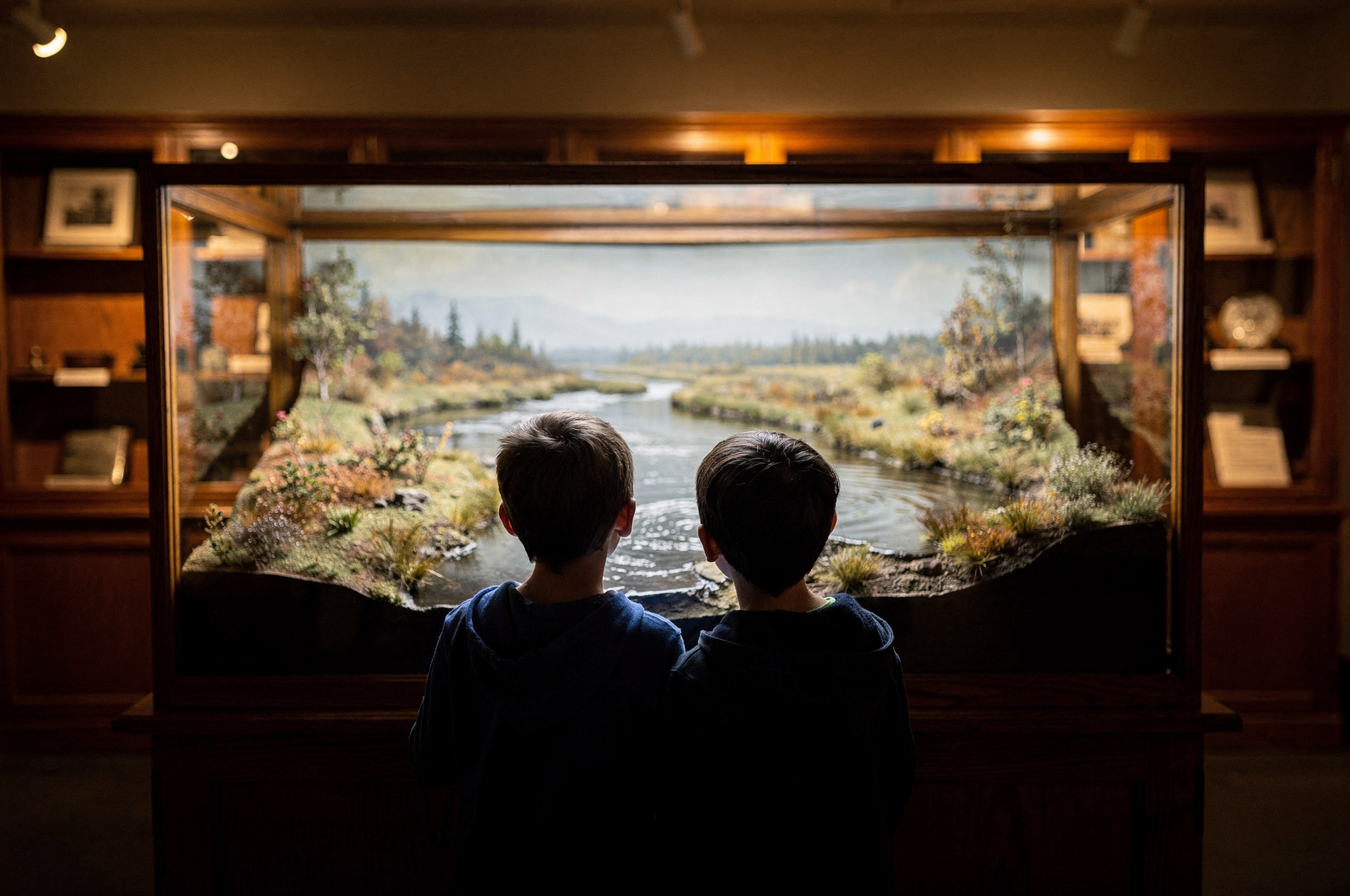
The New Westminster Museum and Archives keeps decades of photographs and city records that trace how the streets around Irving House have changed over time. Elsewhere downtown, the heritage character is easiest to spot along Columbia Street, where restored storefronts stand next to newer buildings, and a self-guided heritage walking tour points out the designated heritage homes and buildings tucked through the older neighbourhoods.
Modern New Westminster: Growth and Future Outlook
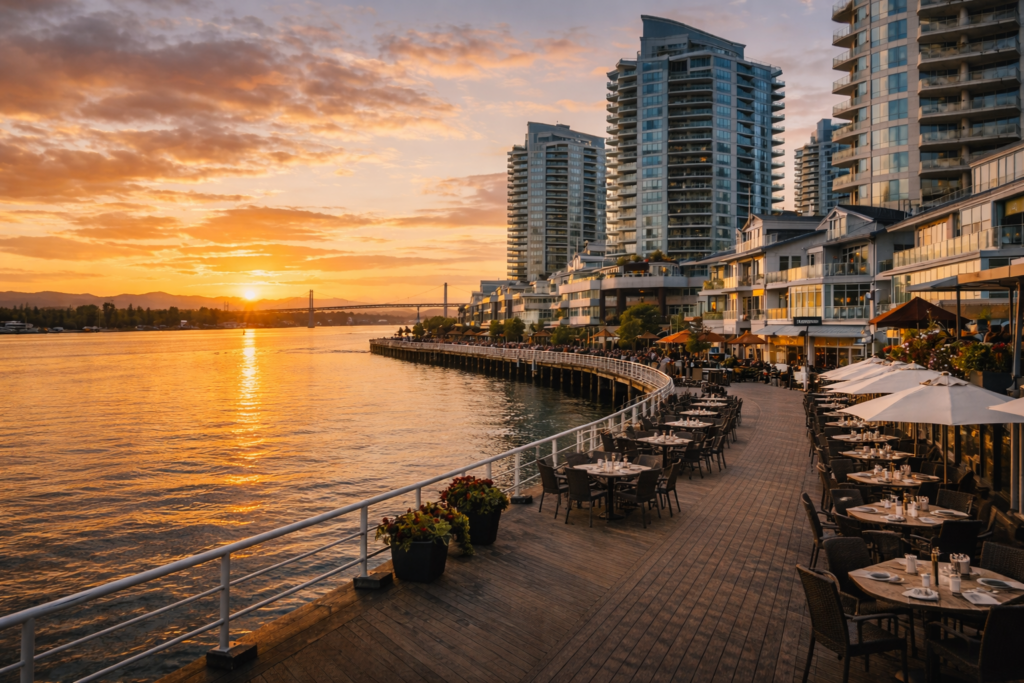
New Westminster remains an important freshwater port and commercial centre for the Fraser Valley, with major employers including Royal Columbian Hospital and professional and technical services. The city’s population is ethnically diverse, and the waterfront at New Westminster Quay has seen significant redevelopment into a lively hub of shops, restaurants, and public space. Queen’s Park, with its 75 acres of wooded grounds, has been a gathering place for residents since 1887.
Questions Often Asked
What is New Westminster known for historically?
It was BC’s first capital city and the province’s first incorporated city, founded in 1858 and named by Queen Victoria herself. Its Fraser River location made it a key hub during the gold rush era.
What heritage sites can you visit in New Westminster?
Irving House (1865), the Canadian Pacific Railway Station (1899), the New Westminster Museum and Archives, the Samson V paddlewheeler, and the historic buildings along Columbia Street are all worth a visit. The city offers self-guided heritage walking tours of downtown.
Is New Westminster one of BC’s oldest cities?
Yes. It was incorporated in 1860, making it Western Canada’s oldest city and BC’s first incorporated city.