
Sapperton does not announce itself the way some New Westminster neighbourhoods do. There is no single postcard corner that sums it up, and that is sort of the point. This is a working neighbourhood in the truest sense, built up around institutions rather than storefronts, and its character comes from the mix of a major hospital, a public safety training campus, old worker’s cottages on steep side streets, and a stretch of riverfront parkland that most visitors to New Westminster never think to look for. We find that mix more interesting than a lot of prettier, more polished pockets of the city, precisely because Sapperton still feels like it is doing something rather than simply being looked at.
The name itself points back to the neighbourhood’s origins with the Royal Engineers, the British military surveyors nicknamed Sappers who helped lay out New Westminster in the late 1850s and settled in this area above the Fraser. Sapperton was folded into the City of New Westminster in 1889, the same era that saw the Royal Columbian Hospital relocate to its present site here, and the neighbourhood has carried that institutional weight ever since. This guide is different from our look at Queen’s Park or our coverage of the Quay and Columbia Street waterfront, since Sapperton sits apart from both, up and along the river to the east, with its own SkyTrain station, its own history, and its own quieter rhythm.
Royal Columbian Hospital and Sapperton’s Institutional Roots
Royal Columbian Hospital is the anchor most people associate with Sapperton, and it has a claim to being one of the oldest hospitals in the province. It traces its founding back to the earliest years of the Colony of British Columbia, and it moved to its current Sapperton site in the late 1880s, around the same time the neighbourhood itself was formally absorbed into the City of New Westminster. That timing is not a coincidence. Hospitals, training institutions, and other large public facilities landed in Sapperton in this era partly because there was open land above the river to build on, and the neighbourhood has grown up around those institutions ever since rather than the other way around.
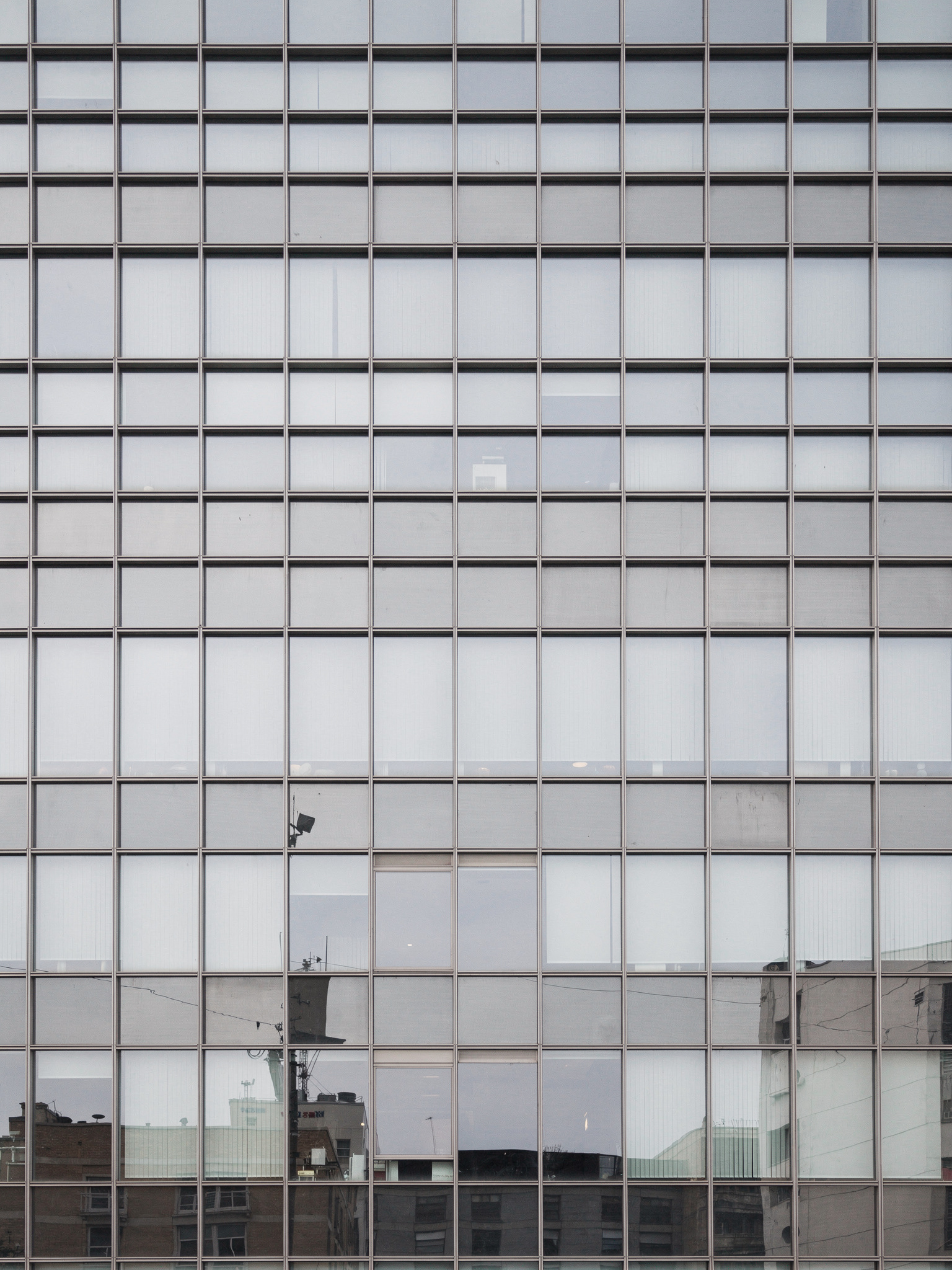
Today Royal Columbian remains one of the busiest hospitals in the Fraser Health system, and its ongoing redevelopment has reshaped a large stretch of the neighbourhood’s skyline over the past several years. For residents and visitors alike, the hospital’s presence means Sapperton has a steady flow of staff, patients, and visiting family moving through its streets at all hours, which gives the area a slightly different pulse than a purely residential or purely commercial neighbourhood would have.
A short distance from the hospital, the Justice Institute of British Columbia’s New Westminster campus adds another layer to Sapperton’s institutional identity. JIBC trains police, firefighters, paramedics, and other public safety professionals from across the province, and its presence near McBride Boulevard on the neighbourhood’s western edge reinforces the sense that Sapperton has long been a place built around public service rather than retail or tourism.
Sapperton Landing Park and the Fraser River Waterfront
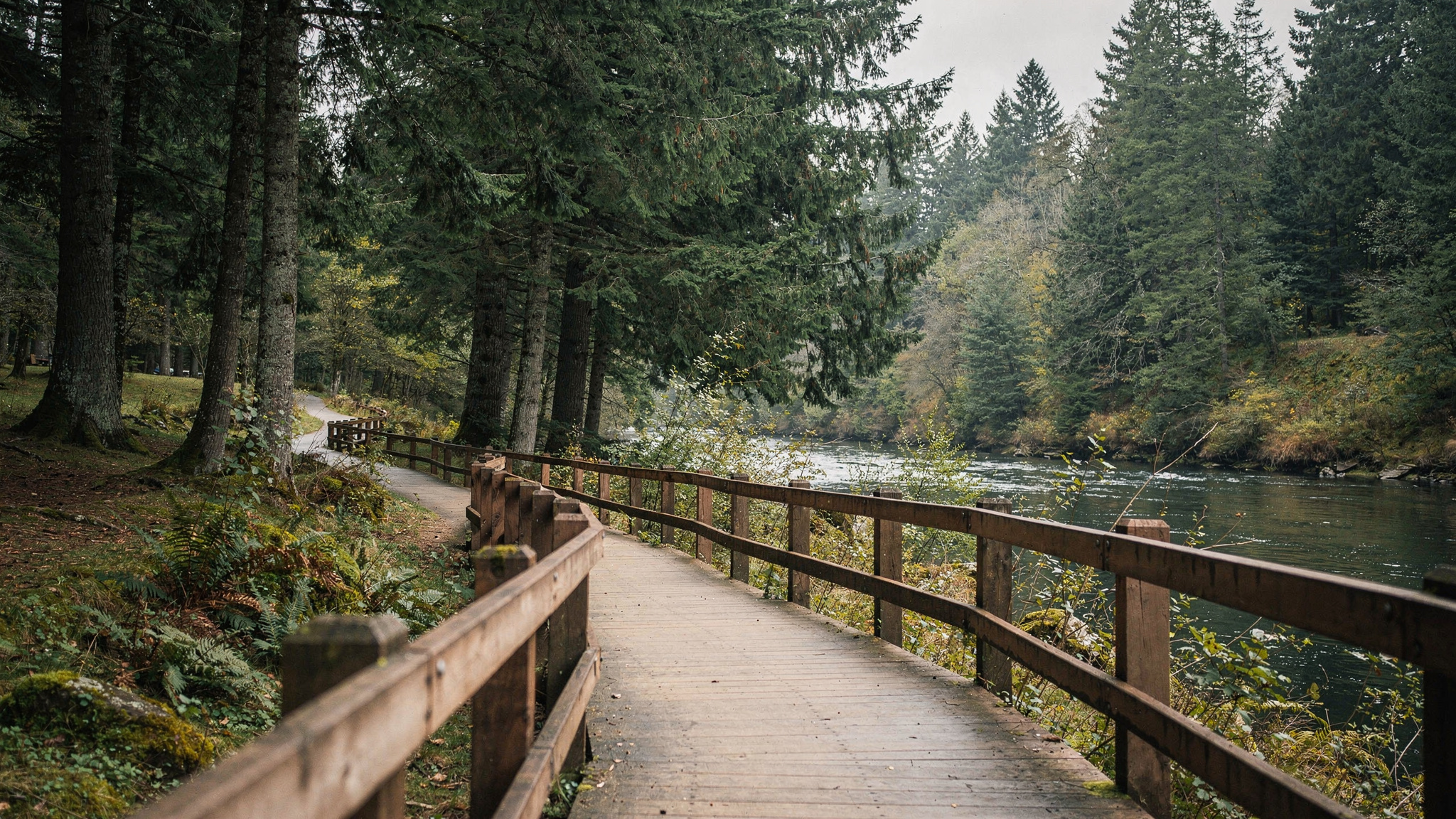
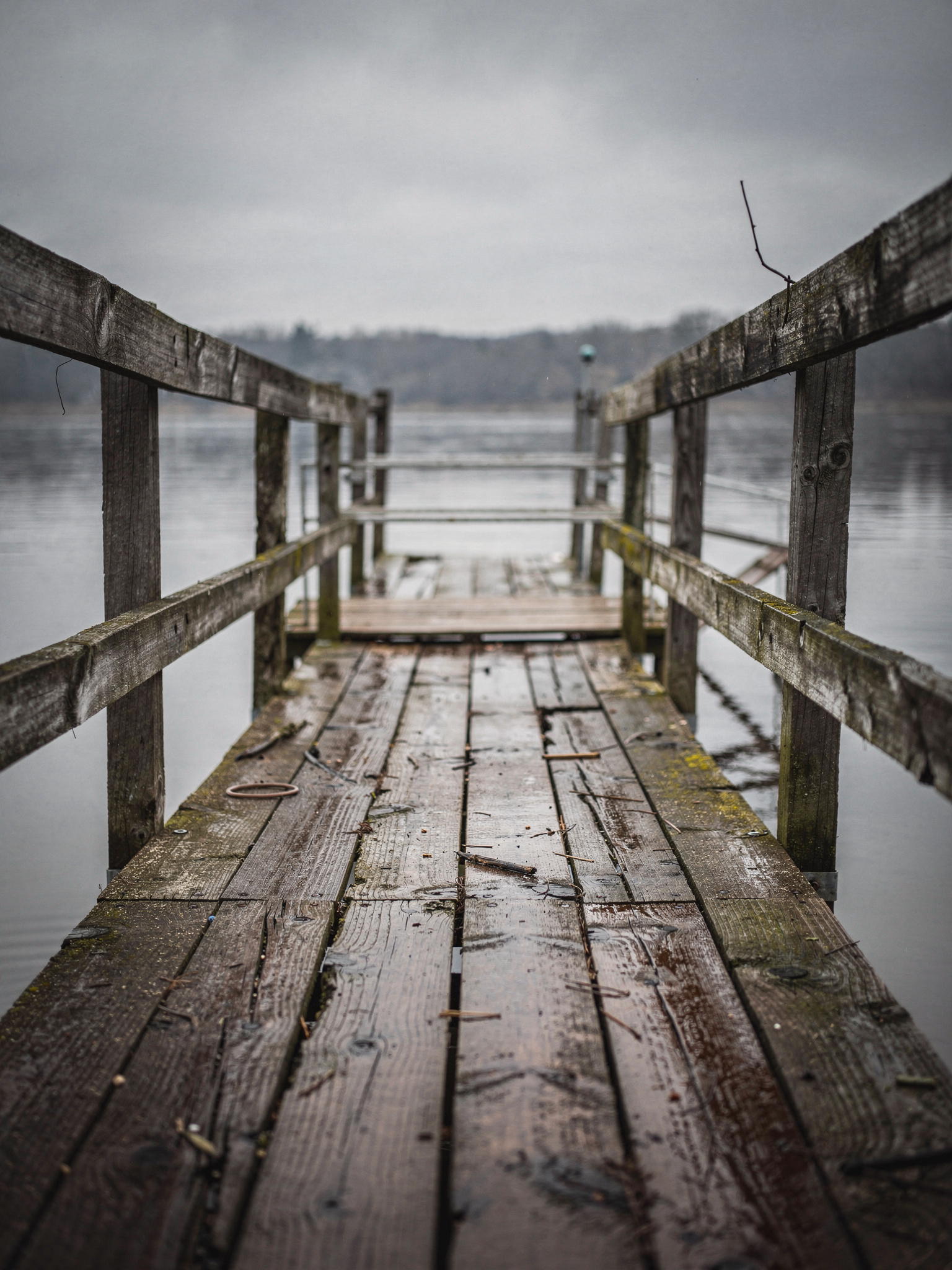
Sapperton Landing Park is the neighbourhood’s answer to the more famous waterfront stretch down at the Quay, and it rewards the trip out for anyone who wants river views without the crowds. The park sits along the Fraser River at the foot of the neighbourhood, reachable from Columbia Street, and it forms part of the larger Brunette-Fraser Regional Greenway that links Sapperton toward the Brunette River and on into Burnaby. A walking trail runs along the water’s edge here, with benches, a viewing platform, and a small fishing dock, and on a clear day the sightlines stretch across the river toward the mountains beyond.
What we like about Sapperton Landing is how unhurried it feels. Where the Quay boardwalk gets busy with shoppers and diners, this stretch of river tends to draw dog walkers, cyclists passing through on the greenway, and the occasional angler, and it rarely feels crowded even on a nice weekend. The park also carries a much longer history than its relatively recent development suggests, since this stretch of the Fraser has been home to the Stó:lō people for thousands of years, long before Sapperton or New Westminster existed as we know them.
The park connects reasonably well to the Sapperton SkyTrain Station, an elevated Expo Line stop on Brunette Avenue that opened in the early 2000s, which makes it an easy add-on for anyone already using transit to get around the region. Pair a walk along the river with a coffee stop back up on Columbia Street and you have a genuinely relaxed half day that most visitors to New Westminster skip entirely.
The Brewery District and Sapperton’s Industrial Past
Long before craft breweries and condo towers arrived, Sapperton was one of the most heavily industrial corners of New Westminster. A sawmill, a major brewery, and other manufacturing operations set up here in the late 1800s, taking advantage of the neighbourhood’s flat land near the river and its rail connections once the Canadian Pacific Railway came through in the 1880s. For the better part of a century, Sapperton’s economy ran on the shift schedules of these plants as much as anything happening downtown.
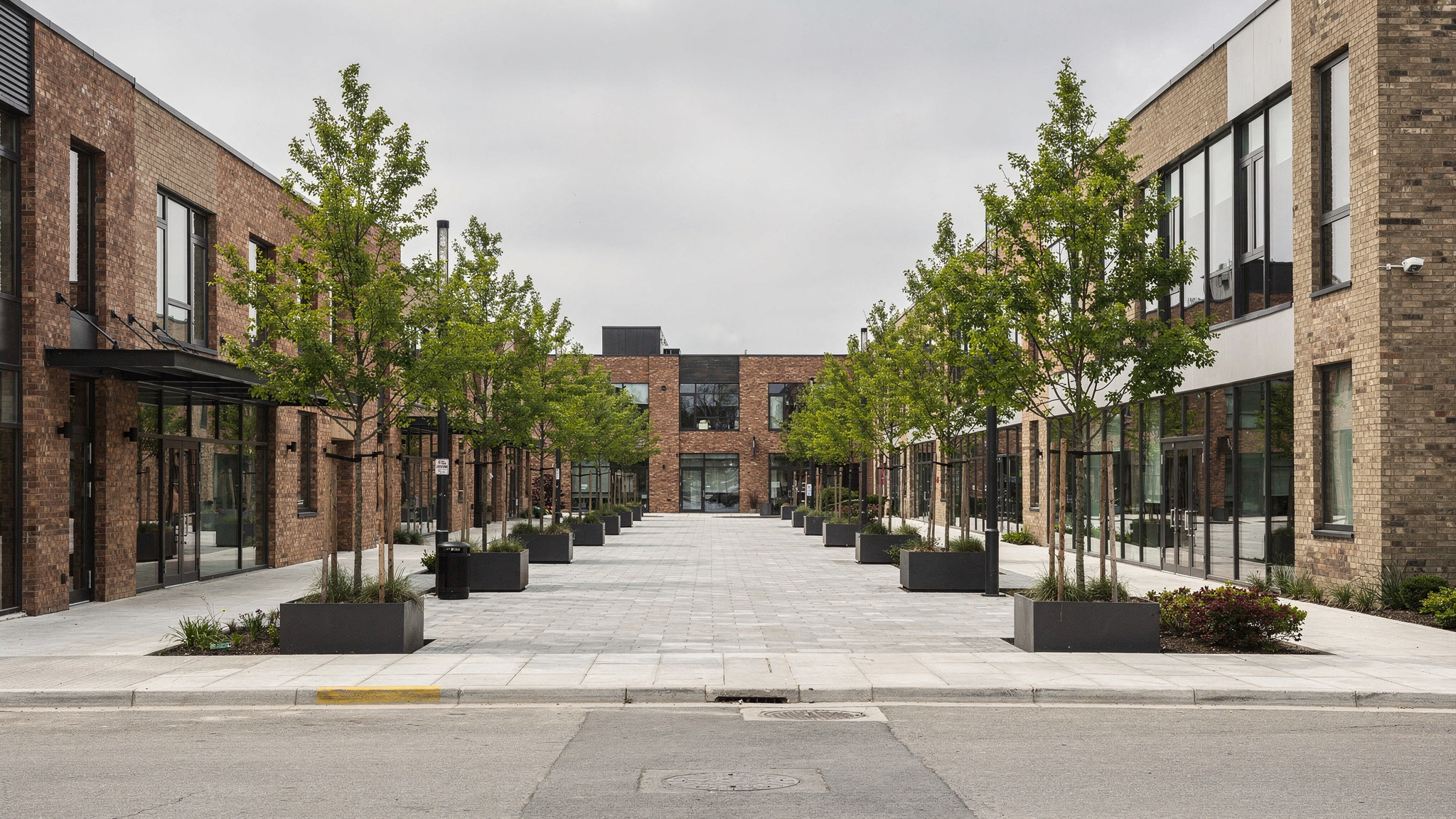
That industrial history is most visible today in the Brewery District, a redevelopment along Columbia Street built on the old brewery lands. The site now holds a mix of shops, restaurants, office space, and residential towers, along with a regional transit authority office, and it functions as a kind of secondary town centre for the neighbourhood, distinct from both Uptown and the Quay. Walking through it, you get a sense of a neighbourhood that has cycled through several identities without ever losing its working character entirely.
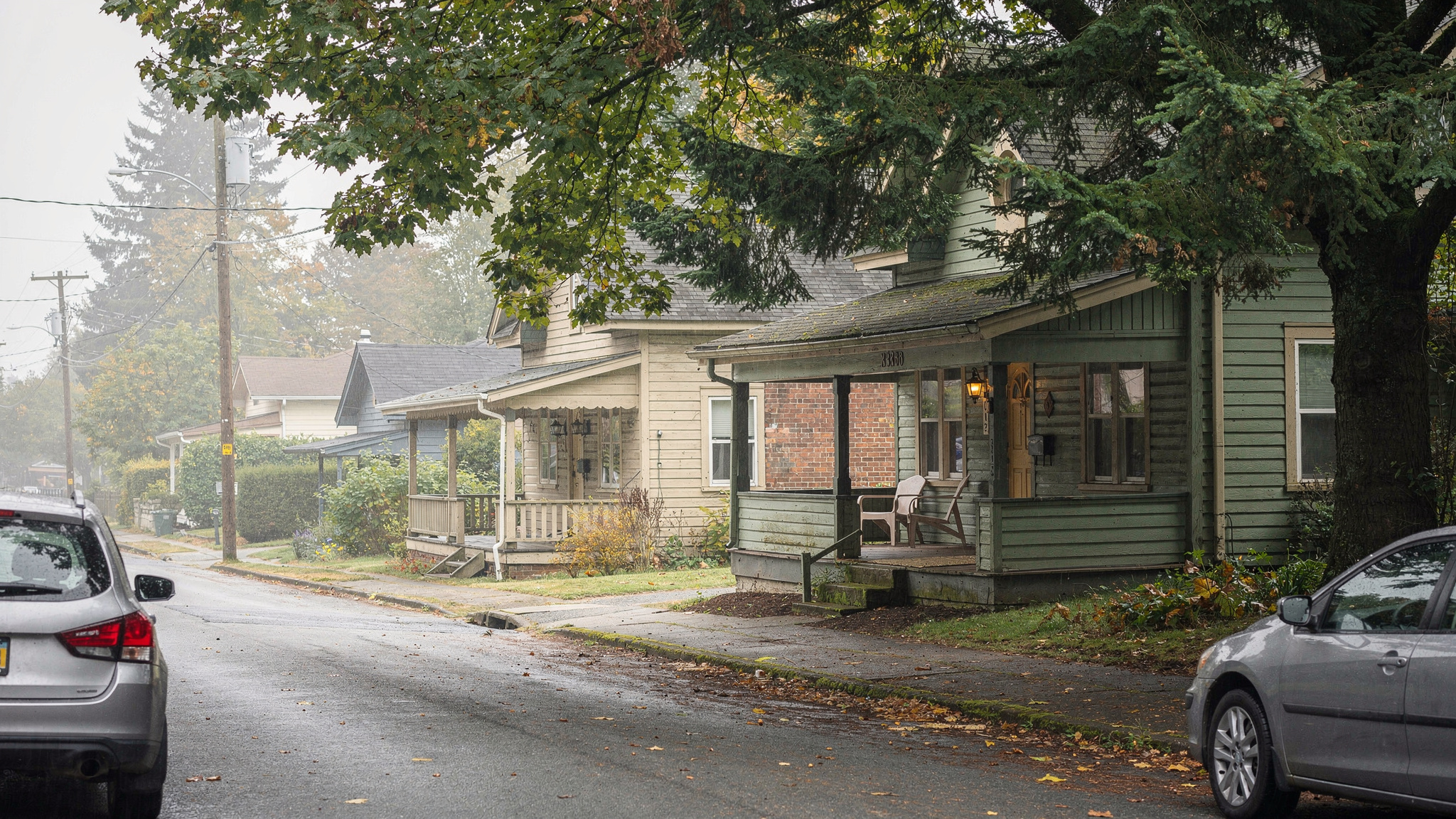
Older pockets of Sapperton still carry physical reminders of this industrial era too, in the modest worker’s cottages that climb the hillside streets above Columbia. These homes were built for the labourers who worked the mills, the brewery, and the hospital, and many have been kept up or renovated rather than replaced, giving parts of Sapperton a small-scale, human streetscape that feels noticeably different from the newer towers nearer the SkyTrain station.
Everyday Sapperton: Streets, Schools, and Local Life
Away from the hospital, the greenway, and the Brewery District, Sapperton is simply a quiet, hilly residential neighbourhood, and that everyday texture is worth a mention too. Streets running up from Columbia Street toward McBride Boulevard mix older character homes with newer infill, and the grades are steep enough in places that a walk from the river up to the neighbourhood’s higher streets counts as genuine exercise. Local schools, small parks, and a handful of neighbourhood cafes and shops round out a part of the city that functions first and foremost as somewhere people live rather than somewhere people visit.
Because Sapperton sits between Uptown, the Quay, and Burnaby’s Brentwood and Metrotown areas, it also works well as a home base for exploring the wider region without a car, thanks to the SkyTrain station and several bus routes running along Columbia Street and East Columbia. Residents we have talked to consistently point to that connectivity, combined with relatively lower housing costs than New Westminster’s waterfront neighbourhoods, as the reason Sapperton keeps attracting a mix of young families, hospital and JIBC staff, and long-time residents who have never left.
None of this makes Sapperton a headline attraction in the way Queen’s Park or the Quay might be, but that is exactly why it rewards a visit. It is the part of New Westminster that shows you how the city actually works, institutions and industry and ordinary streets layered on top of each other across more than a century, rather than a single curated experience.
Getting to Sapperton and Finding Your Way Around
Sapperton sits east of Uptown and north of the Quay, bordered roughly by Brunette Avenue to the east, Columbia Street to the south, and McBride Boulevard to the west, on land that rises steadily from the Fraser River up toward the neighbourhood’s higher streets. The Sapperton SkyTrain Station on the Expo Line puts the neighbourhood within easy reach of both downtown New Westminster and destinations across Burnaby, and several bus routes run along Columbia Street through the heart of the area.
If you are driving, Columbia Street and East Columbia Street are the main spines connecting Sapperton to the rest of the city, and parking is generally easier to find here than in the denser Quay or Uptown cores. Sapperton pairs naturally with a visit to the Quay or Columbia Street if you have a full day to spend in New Westminster, since all three areas sit within a short transit or drive of one another; see our guide to the Quay and the Fraser River waterfront for the other end of that river walk.
Tips for Visiting Sapperton
Give yourself time for the hills. Sapperton’s streets climb noticeably from the river up toward McBride Boulevard, so a walking visit that covers both the waterfront park and the upper neighbourhood is a real workout compared to the flatter Quay boardwalk.
Combine Sapperton Landing Park with the SkyTrain rather than driving if you can, since the station puts you within easy walking distance of the river and saves you from hunting for parking near the park on a busy day. Bring layers, since the riverfront trail catches wind off the Fraser even on otherwise mild days.
If you are visiting Royal Columbian Hospital or the Justice Institute for an appointment or event, allow extra time to navigate the surrounding streets, since ongoing hospital redevelopment has changed traffic patterns and construction detours around the site in recent years. For current details on parks, trails, and any closures in the area, the City of New Westminster website is the best source to check before you go.
Questions Often Asked
Where does the name Sapperton come from?
Sapperton is named after the Sappers, the nickname for the Royal Engineers who surveyed New Westminster and settled in this area above the Fraser River in the late 1850s. The neighbourhood was formally incorporated into the City of New Westminster in 1889.
What is Sapperton known for?
Sapperton is best known as the home of Royal Columbian Hospital, one of British Columbia’s oldest hospitals, along with the Justice Institute of British Columbia’s New Westminster campus, Sapperton Landing Park along the Fraser River, and the Brewery District redevelopment on Columbia Street.
Is Sapperton Landing Park worth visiting?
Yes, especially if you want Fraser River views without the crowds of the Quay boardwalk. The park has a walking trail, a small fishing dock, and views across the river, and it connects to the wider Brunette-Fraser Regional Greenway for a longer walk or cycle.
How do you get to Sapperton without a car?
Sapperton has its own stop on the SkyTrain Expo Line, Sapperton Station, on Brunette Avenue, and several bus routes run through the neighbourhood along Columbia Street. The SkyTrain station is also a short walk from Sapperton Landing Park.
Is Sapperton the same as Queen’s Park or the Quay?
No. Sapperton is a distinct neighbourhood east of Uptown and north of the Quay, with its own history centred on the hospital, the Justice Institute, and the old brewery and mill lands. Queen’s Park and the Quay are separate New Westminster neighbourhoods with their own character, though all three are close enough to combine in a single day of exploring the city.